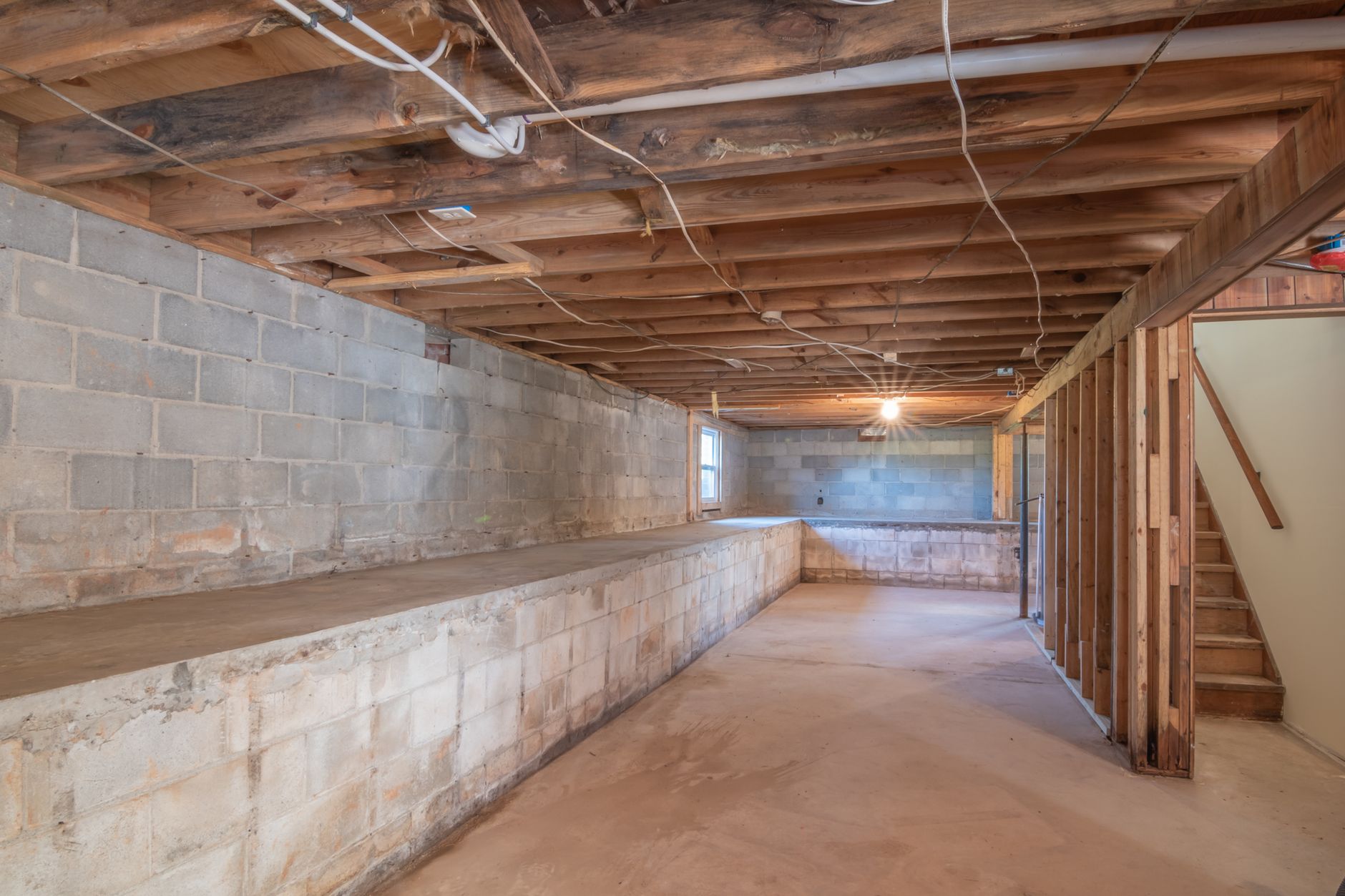
Crawl spaces in Colorado homes collect moisture from irrigation overspray, poor exterior drainage, plumbing leaks, and humid summer air. Left alone, that moisture feeds mold, softens wood framing, and pushes musty air into living spaces through the stack effect.
Find the Moisture Source First
Look for standing water after storms, dark staining on piers or rim joists, condensation on ducts, and efflorescence on concrete. Exterior grading and gutter discharge problems often show up as crawl-space dampness before basement flooding does.
Ground Cover and Vapor Control
A continuous vapor barrier over exposed soil reduces evaporation into the crawl space. Overlaps should be sealed, and edges should run up foundation walls per best practices for your encapsulation or vented design. Torn poly left open at seams does little.
Ventilation Versus Encapsulation
Older vented crawl spaces can pull humid outdoor air in summer. Some Front Range homes benefit from sealed, conditioned, or dehumidifier-assisted approaches—especially when ducts run through the crawl. Choose a strategy based on measured humidity and how your HVAC interacts with the space, not a one-size slogan.
Plumbing and Insulation Checks
Inspect supply lines, drain traps, and HVAC condensate drains for slow leaks. Insulate cold water lines that sweat. Keep stored items off the ground and maintain clear access so problems are visible during seasonal checks.
Addressing crawl-space moisture early protects indoor air quality and reduces the chance of expensive structural and mold-related claims later.