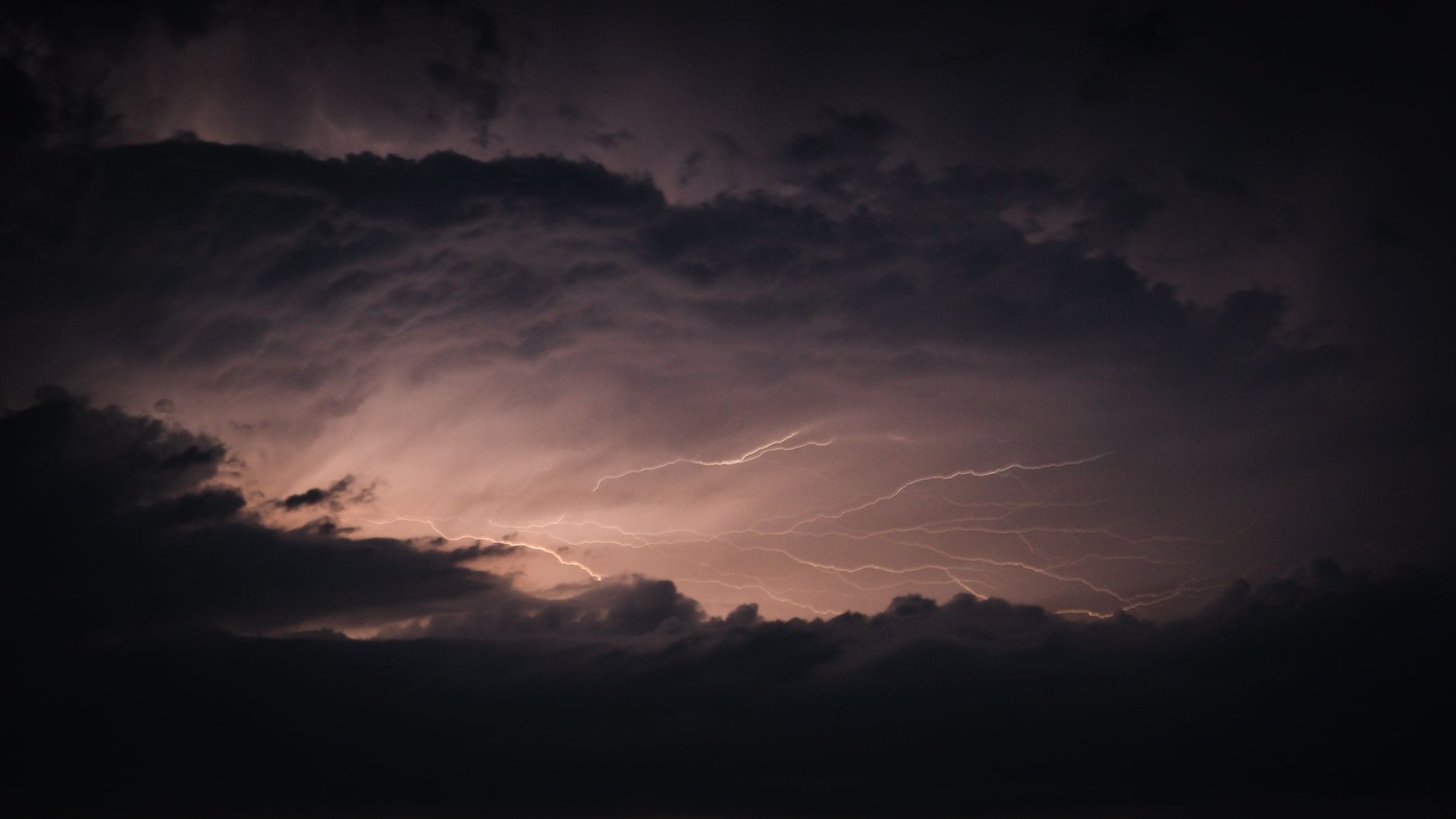
By May, moist upslope flow and daytime heating routinely build tall cumulus along the foothills, with storms drifting east over the Plains. Colorado sits among the higher lightning-flash regions in the country in late spring and summer. Strikes and induced surges can destroy electronics, HVAC controls, and appliances—whole-home protection plus good habits matters here.
Whole-Home Surge Protectors
Have a licensed electrician install a surge protective device (SPD) at your main panel or meter so large spikes are clipped before they spread through branch circuits. Plug-in strips help desk and entertainment gear but are not a substitute for a service entrance SPD.
Grounding at Altitude and in Older Homes
Dry soils and older grounding electrodes can mean higher ground impedance. If your home predates modern electrical codes, ask whether your grounding and bonding should be evaluated—especially before storm season. Never defeat three-prong grounding with cheater adapters.
When the Sky Roars
During severe thunderstorm warnings, unplug sensitive devices you can afford to take offline. Surges also ride data lines—use protectors rated for coax or Ethernet where those runs enter equipment. Interior plumbing and wiring can carry risk; “unplug and wait” is still one of the cheapest defenses.
Claims and Documentation
If gear fails after a nearby strike, document symptoms, breaker trips, and any fire or smoke smells. Serial numbers and receipts speed insurance conversations. Coloradans from Littleton to Parker see this pattern every year—paperwork you keep in May saves hours in June.