Radon is a naturally occurring radioactive gas that can collect in homes—especially in regions with geology like Colorado’s. You cannot see or smell it, so testing is the only way to know whether levels deserve mitigation.
Why Colorado Homeowners Should Care
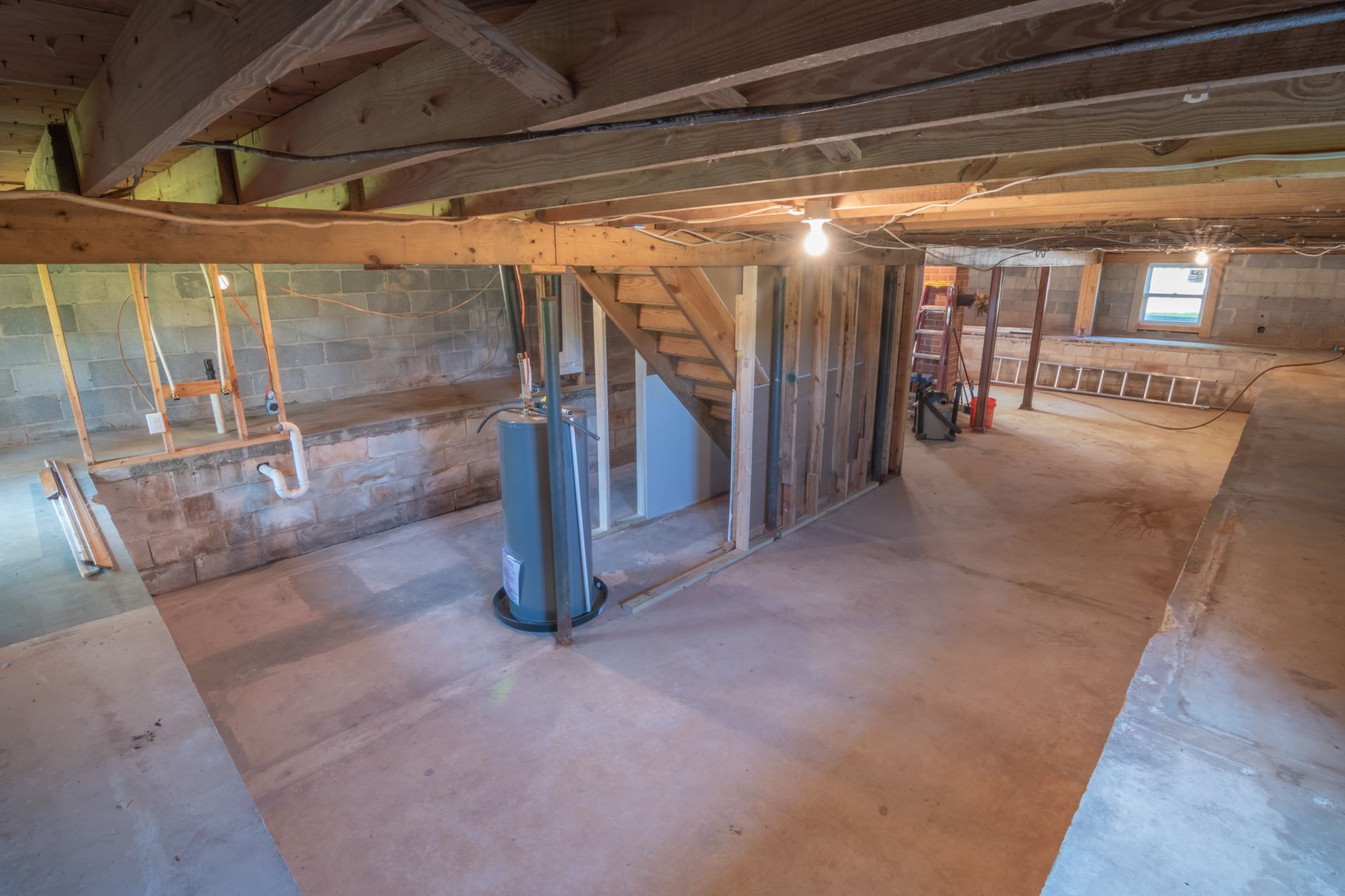
Many Front Range and mountain communities see elevated radon potential. Finished basements, tightly sealed newer homes, and crawl spaces can all concentrate gas if soil gases enter through slabs, sump pits, or foundation cracks. Awareness matters whether you are buying, selling, or staying put.
Testing Options
Short-term kits give a snapshot; long-term tests better reflect seasonal averages. Follow kit instructions carefully—closed-house conditions matter for short-term results. Real-estate transactions often use short-term tests, but homeowners can retest after renovations that change airflow.
If Levels Are High
Mitigation systems typically use sub-slab depressurization to vent soil gases outdoors. A qualified mitigator can design for your foundation type. Sealing major entry points complements—but does not replace—active systems when levels are elevated.
Connect Radon to Broader Property Health
Moisture control, sump covers, and sealed cracks support both radon management and water-damage prevention. Keep mitigation fans running as designed and retest after major foundation or HVAC changes.
Radon awareness is part of responsible Colorado homeownership—alongside storm prep, leak detection, and fire safety—because the most expensive claims are often the ones prevention could have reduced.