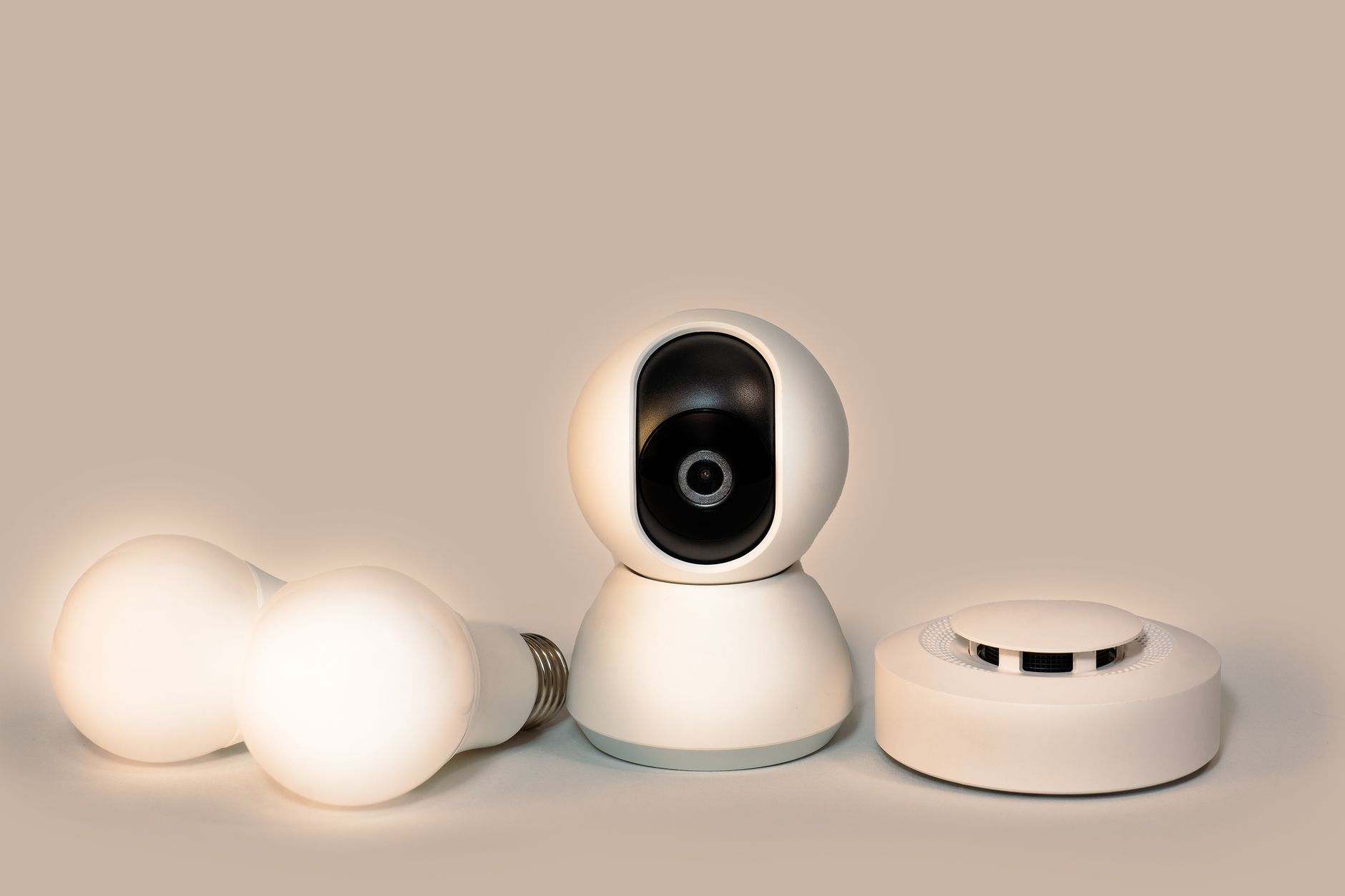
Smoke detectors are only useful when they work. Colorado property owners should treat alarm maintenance as routine home care—alongside furnace filters and gutter cleaning—not as a set-and-forget install from the prior owner.
Placement Basics
Install alarms on every level, inside each bedroom, and outside sleeping areas. Keep units away from kitchens and bathrooms where steam and cooking false alarms tempt people to remove batteries. Follow manufacturer spacing guidance near ceilings and walls.
Test Monthly, Replace on Schedule
Press the test button monthly. Replace batteries at least annually unless you have sealed 10-year units. Most smoke alarms should be replaced entirely every 10 years—check the manufacture date on the back. Interconnected systems should all sound when one detects smoke.
Choose the Right Sensing Technology
Ionization and photoelectric sensors respond differently to flaming versus smoldering fires. Many modern combination alarms cover both. If you remodel or add rooms, expand coverage rather than relying on a single hallway unit.
Pair With CO Awareness
Carbon monoxide detectors belong near sleeping areas and fuel-burning appliances. Test them on the same monthly rhythm. Winter heating season is when CO risks rise—do not wait for a headache to discover a dead battery.
Document detector locations and replacement dates with your other property records. It is a small habit that supports safer homes and fewer preventable fire losses.