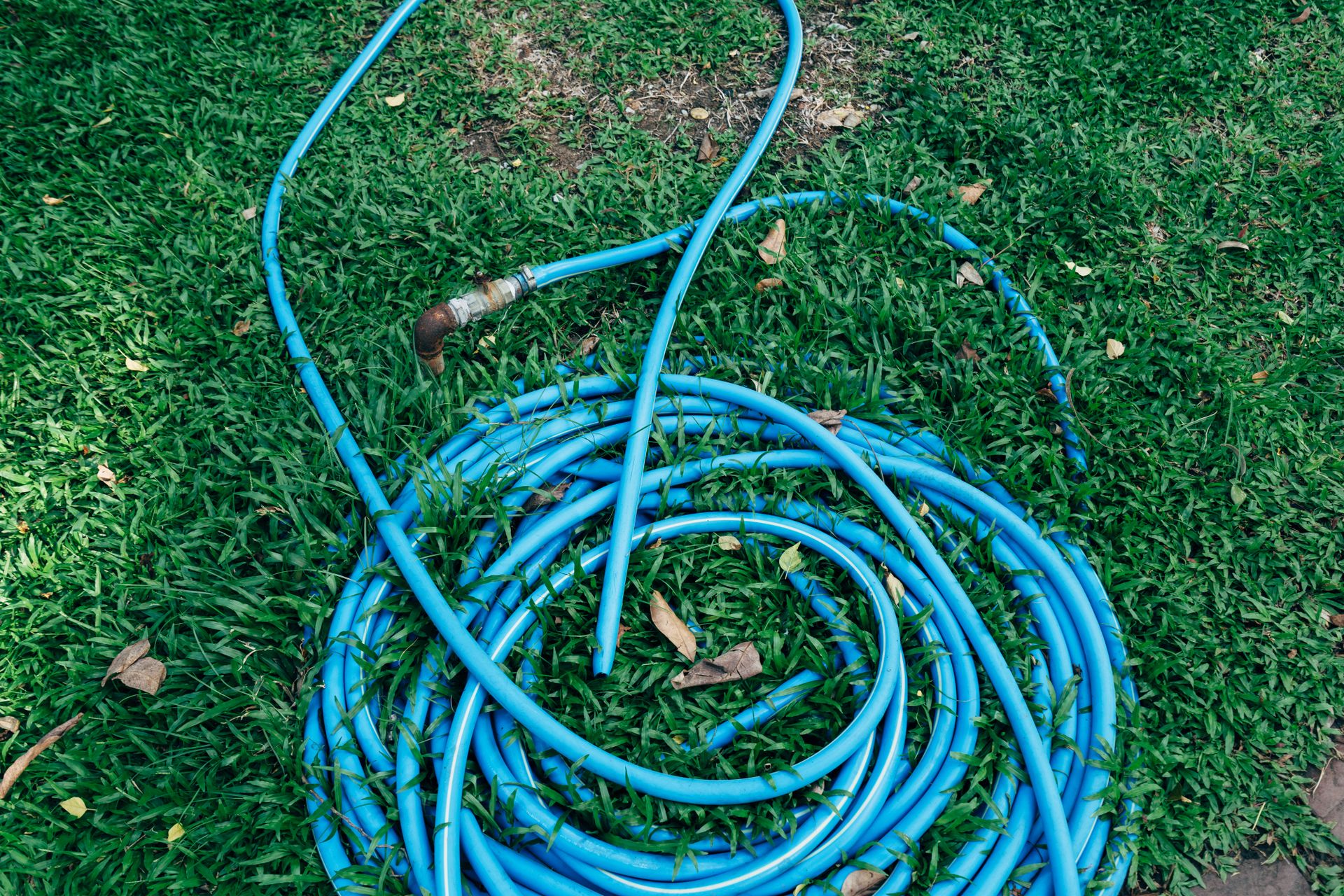
Some of the largest water damage claims don't come from storms or roof leaks—they come from a single failed supply hose behind a washing machine, dishwasher, or water heater, often while no one is home.
Why These Hoses Fail
Standard rubber supply hoses degrade from the inside out, and constant water pressure means a small crack can become a full rupture in seconds. Because these hoses run behind appliances in low-visibility spots, damage often goes unnoticed until water has already spread across flooring and into subfloor or drywall.
Highest-Risk Locations
Washing machine hoses see the most claims, since they carry full water-line pressure continuously, even when the machine isn't running. Dishwasher supply lines and water heater connections carry similar risk, particularly in homes with the original hoses still in place after several years.
Inspection and Replacement Schedule
Check visible hoses every few months for bulging, cracking, or rust at the fittings. Replace standard rubber hoses with braided stainless-steel supply lines, which resist bursting and last significantly longer. Water heaters older than 8–10 years warrant a full inspection of connections and the tank itself.
Added Layers of Protection
Water sensors placed near washing machines, water heaters, and under sinks provide an early alert before a slow leak becomes a flooded room. Shutoff valves that are easy to reach—and that homeowners actually test occasionally—make it possible to stop a failure quickly instead of discovering it hours later.
A cracked hose is a small, cheap fix. The flooring, drywall, and cabinetry it can ruin are not—making hose inspection one of the highest-value habits for preventing water damage claims.