Protect your property
Fire safety and prevention
House fires are less frequent than water losses, but when they happen the damage is severe. Most start in two places you can do something about: the kitchen and the electrical system.
- insured homes files a fire or lightning claim each year
- 1 in 425
- insured homes files a fire or lightning claim each year
- average fire and lightning claim
- $88,170
- average fire and lightning claim
- of home fires involve cooking equipment
- 48%
- of home fires involve cooking equipment
Know the risk
What causes most home fires
Unattended cooking
Cooking is the leading cause of home fires, and unattended cooking is the leading cause of kitchen fires.
Electrical faults
Worn wiring, loose connections and failing outlets can arc inside walls long before anyone smells smoke.
Heating equipment
Space heaters placed too close to furniture and furnaces that skip maintenance are common winter culprits.
Dryers and garages
Lint buildup, stored fuel and extension cords make laundry rooms and garages higher risk than they look.
Wildfire embers
On the Front Range, wind-driven embers can ignite decks, gutters and vegetation near the house.
How to protect against it
Your protection plan
- 01
Detect smoke and carbon monoxide
Put alarms on every level and outside each sleeping area. Test them monthly and replace them every 10 years.
- 02
Monitor the wiring
Ting plugs into an outlet and watches your electrical system for the arcing and faults that lead to electrical fires.
- 03
Stop cooking fires at the stove
Automatic stove shutoffs cut power to an electric range when the smoke alarm sounds.
- 04
Keep suppression within reach
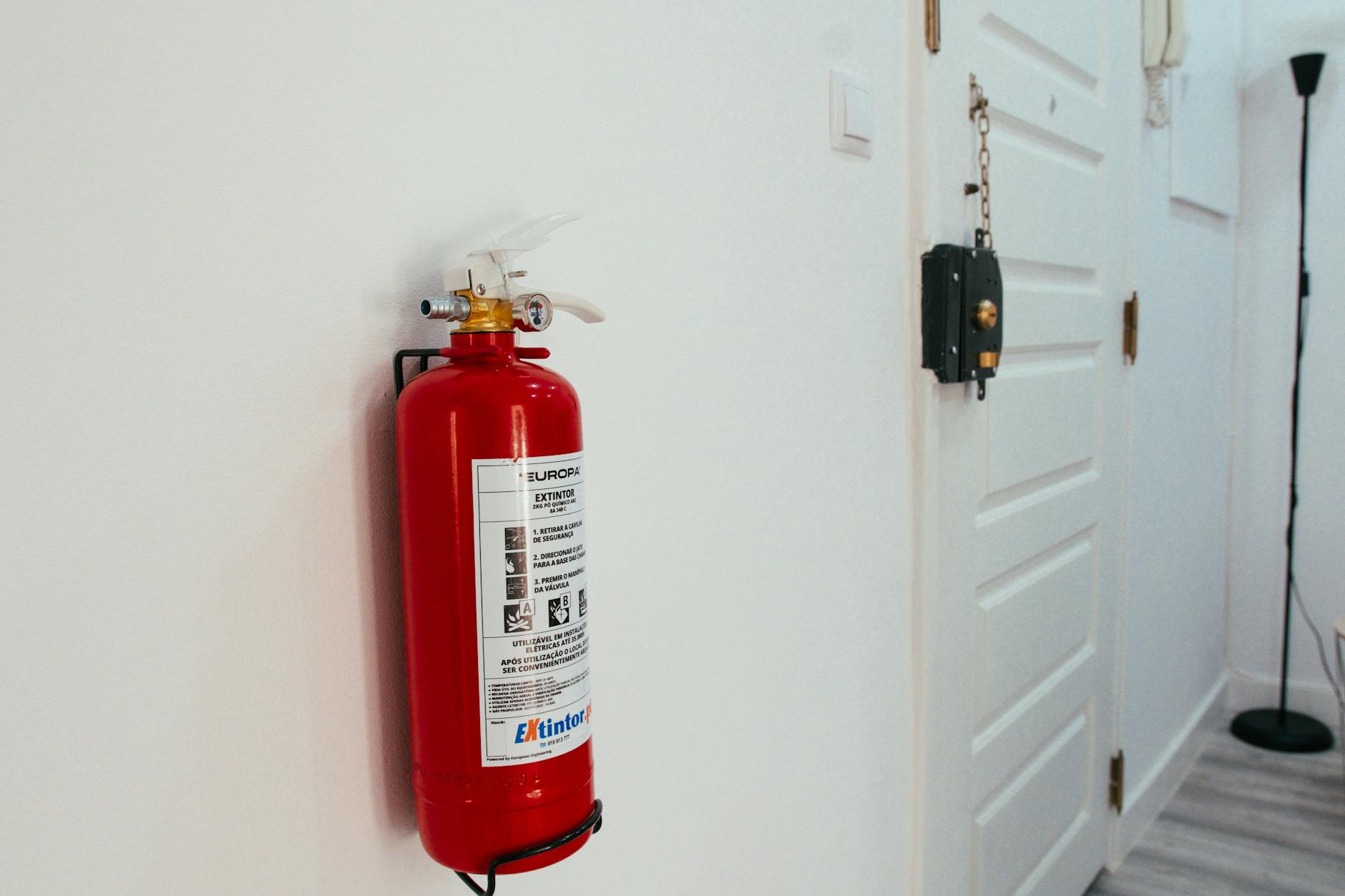
A compact extinguisher in the kitchen, garage and car handles small fires before they spread.
Shop
Fire protection
In stock and ready to ship.

Learn more
Fire guides

ArticleJul 12, 2026
Smoke Detector Maintenance Every Homeowner Should Do
Working smoke alarms save lives and support safer homes. Placement, testing, and replacement timelines every Colorado property owner should follow.
ReadGuide
Garage and Detached Structure Fire Prevention
Garages and sheds store fuel, tools, and combustibles that raise fire risk. Simple habits reduce claims and protect your main dwelling.
Read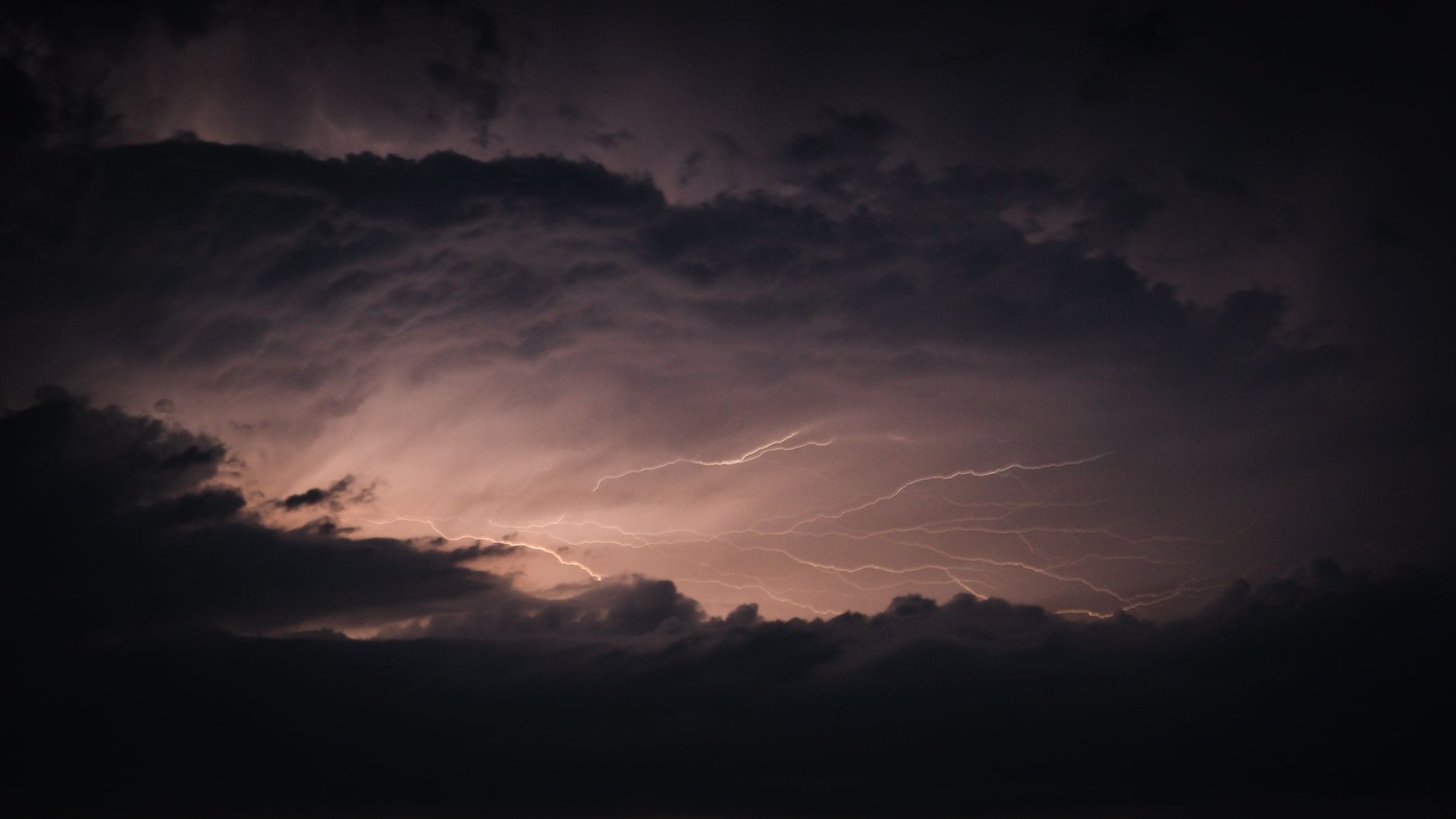
ArticleMay 4, 2026
Colorado May Thunderstorms: Lightning and Surge Protection
When afternoon storms fire along the foothills and Eastern Plains, layered surge protection and smart habits shield your Colorado home’s electronics.
ReadGuide
Wildfire Season: Defensible Space Around Your Property
How to create and maintain defensible space to reduce wildfire risk to your home in Colorado and similar regions.
Read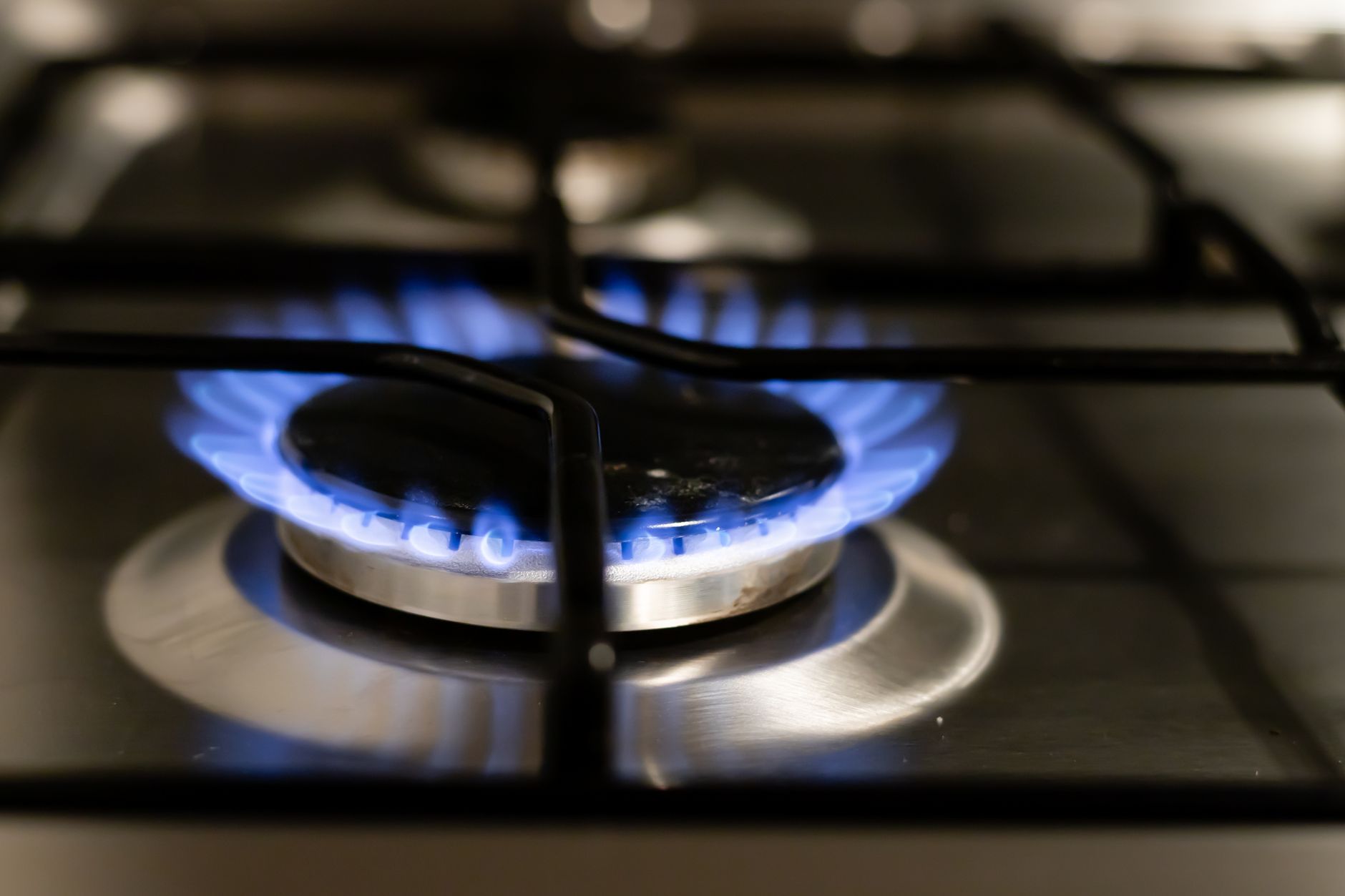
ArticleFeb 20, 2026
Kitchen Fire Prevention: Safety Tips for Homeowners
Essential kitchen safety measures to prevent fires and protect your property.
ReadArticleDec 19, 2025
Fire Safety Essentials for Property Owners
Essential fire safety measures every property owner should implement to protect their investment.
ReadFree recommendation
Not sure what your property needs?
Tell us about your home, rental or business and we will recommend a setup that fits. Free, with no obligation to buy.