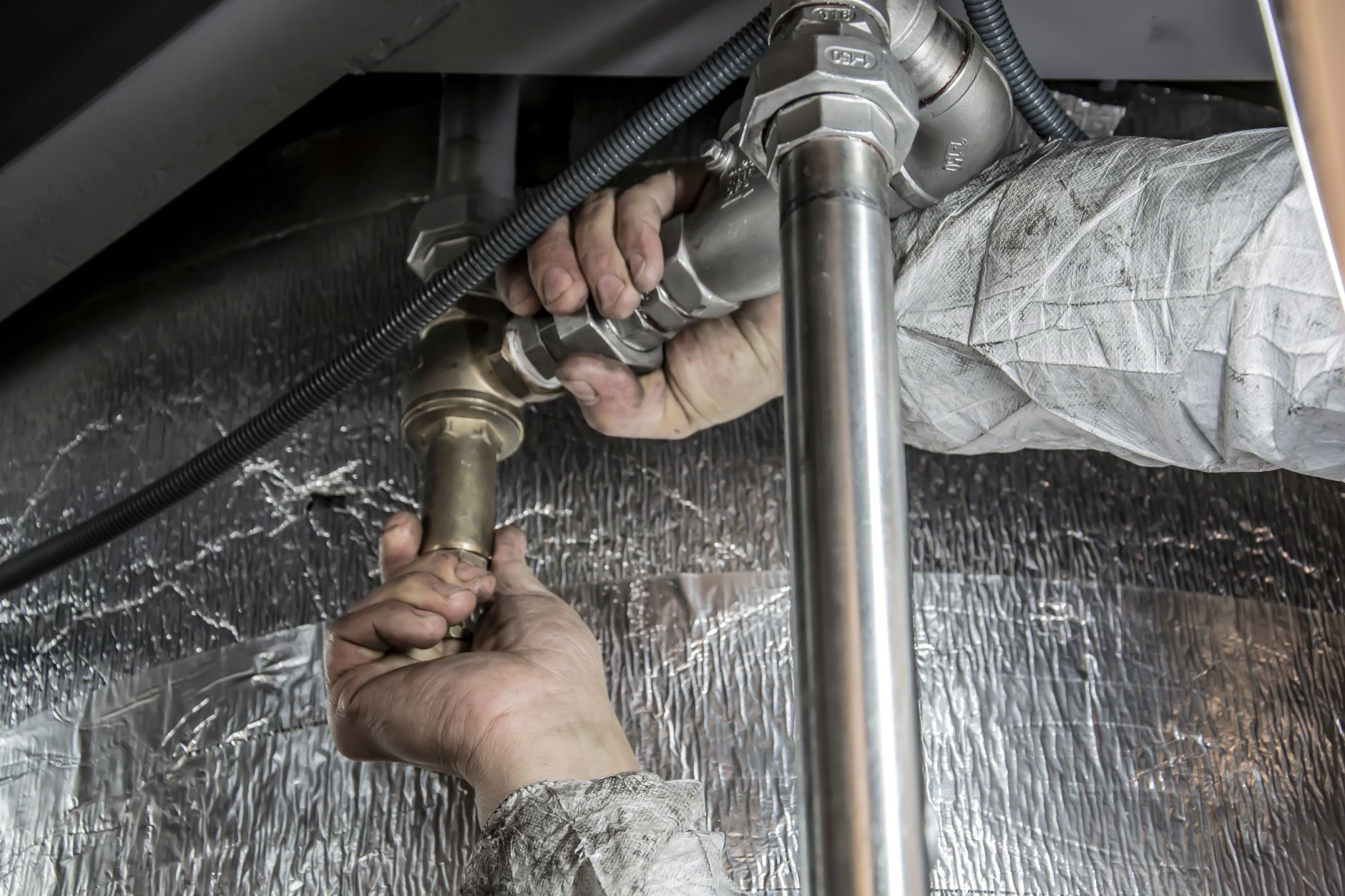
Frozen pipes can burst and cause extensive water damage. Taking preventive measures before winter arrives can save you from costly repairs and insurance claims.
Insulation
Insulate pipes in unheated areas like attics, basements, crawl spaces, and garages. Use pipe insulation sleeves or heat tape, especially for pipes near exterior walls. Seal gaps and cracks that allow cold air to reach pipes.
Temperature Management
Keep your thermostat set to at least 55°F even when you're away. Open cabinet doors under sinks to allow warm air to circulate around pipes. Consider installing a smart thermostat that can alert you to temperature drops.
Water Flow
During extreme cold, let faucets drip slightly to keep water moving through pipes. This is especially important for pipes on exterior walls. Running water is less likely to freeze than standing water.
Drainage Before Freezing
Before winter, drain and disconnect outdoor hoses. Shut off and drain water from sprinkler systems and outdoor faucets. Know where your main water shutoff valve is located in case of emergency.
Emergency Preparedness
If pipes do freeze, never use an open flame to thaw them. Use a hair dryer or space heater, starting from the faucet end. If a pipe bursts, shut off the main water supply immediately and call a plumber.