Electrical fires often start quietly behind walls, inside outlets, or within aging appliances long before any visible smoke appears. Implementing ting electrical monitoring in your home gives you an early warning system that catches tiny electrical faults before they become dangerous property threats. Unlike traditional smoke alarms that react only after smoke or flames develop, smart electrical monitoring keeps a continuous watch over your home's entire electrical network.
What Is Ting Electrical Monitoring and How Does It Work?
At its core, ting electrical monitoring relies on a single smart sensor that plugs directly into a standard wall outlet. Once connected, the device listens to the subtle electrical signals travelling through your home's wiring. Electrical systems naturally experience small fluctuations, but hazardous conditions create distinct disturbance patterns known as micro-arcs.
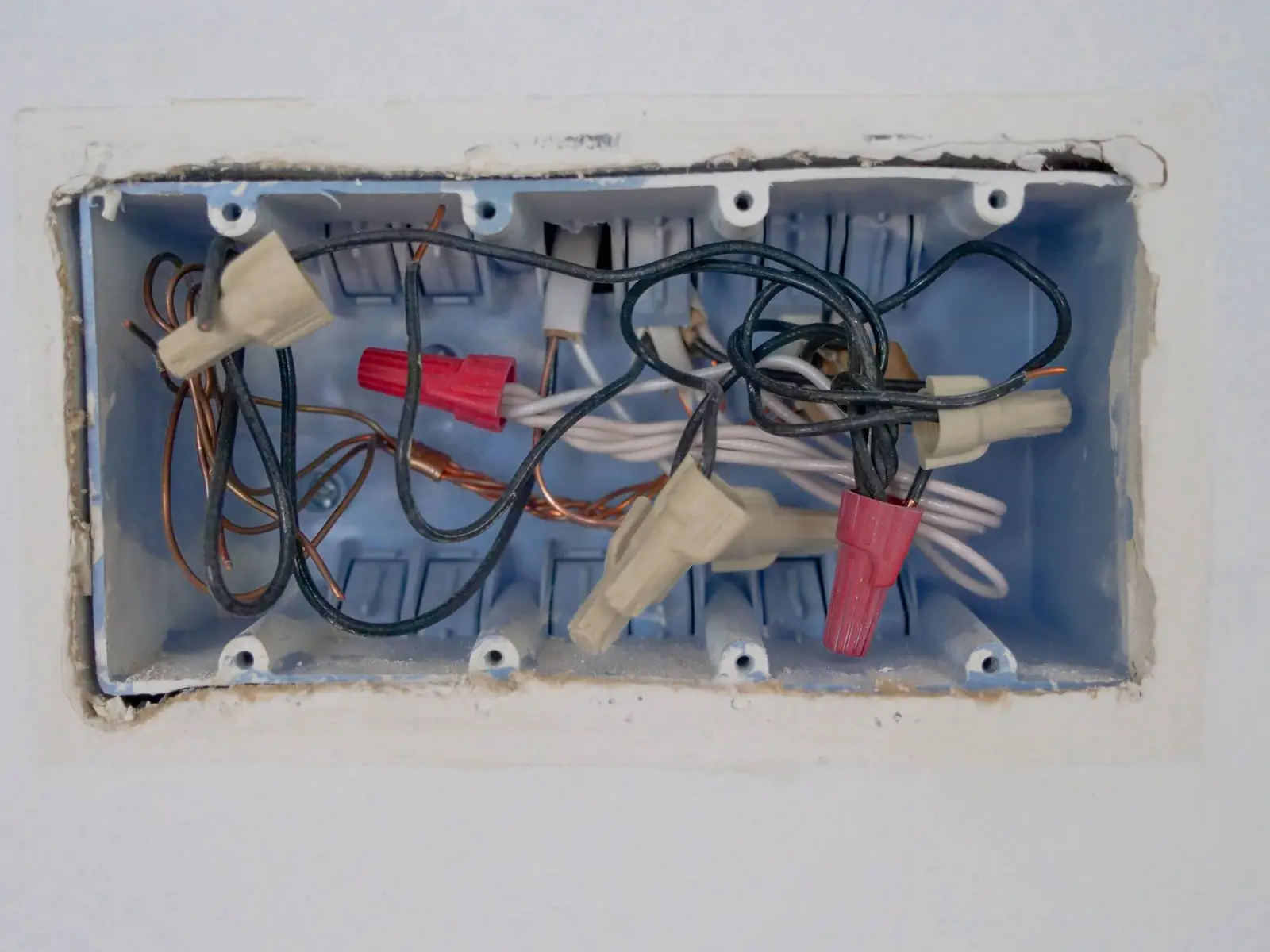
Micro-arcs are microscopic sparks caused by loose connections, damaged wire insulation, failing outlets, or faulty appliance cords. These tiny sparks generate intense heat over time. If left unaddressed, that heat can ignite surrounding insulation, wood framing, or drywalls inside electrical boxes. By tracking these high-frequency signals continuously, smart monitoring technology detects problems long before wires melt or spark an open flame.
Why Hidden Electrical Hazards Are So Hard to Spot
Most home safety checks focus on visible hazards like overloaded power strips or frayed extension cords. However, many dangerous electrical issues remain completely out of sight. Whether you own a vintage property or a newer build in Centennial, CO, electrical components naturally experience wear over time.
Common causes of hidden electrical hazards include:
Loose wire terminations: Screws inside outlets and wall switches can loosen slightly over years of thermal expansion and contraction.
Rodent damage: Small pests in crawlspaces, attics, or wall cavities can chew away wire insulation without leaving obvious signs in living spaces.
Internal appliance breakdown: Defective motors, worn heating elements, or compromised internal wiring in everyday household appliances can arc secretly.
Stressed circuits: Plugging heavy loads into aging receptacles can degrade the metal contacts inside wall outlets over time.
How Electrical Monitoring Differs from Breakers and Surge Protectors
Many property owners assume that standard circuit breakers and surge protectors offer complete safety against electrical fires. While these devices are essential components of your electrical panel, they serve distinct and limited roles.
Standard circuit breakers are designed to shut off power when a circuit experiences a massive overload or a direct short circuit. They require a large spike in electrical current to trip. Micro-arcs, on the other hand, often operate under the current threshold required to trip a traditional breaker. They generate dangerous local heat without pulling enough total amperage to shut down the breaker panel.
Surge protectors defend sensitive electronics against sudden external voltage spikes from lightning or power grid transfers. They do not identify slow-developing internal loose connections or degrading wire insulation. Plug-in electrical monitoring fills this critical safety gap by actively listening for continuous micro-arcing that standard breakers miss.
What Happens When an Electrical Fault Is Detected?
When monitoring equipment detects suspicious micro-arcing patterns, it alerts you immediately through a smartphone application. This early notification transforms a potential emergency into a manageable maintenance task.
Instead of waiting for a breaker to trip or smelling burning plastic, you receive clear details about the nature of the electrical threat. In many cases, specialized support services can help pinpoint whether the hazard is coming from a specific plug-in device or within the structure's permanent wiring. If an electrician is needed to inspect or repair a damaged circuit, you have ample time to act safely before any fire breaks out.
Setting Up Electrical Fire Prevention in Your Home
Protecting your property should not require complicated rewiring or intrusive installation projects. One of the greatest advantages of smart plug-in electrical sensors is how simple they are to deploy.
To set up continuous electrical protection, you simply:
Select an open, standard wall outlet in a central location of your building.
Plug the monitoring device firmly into the receptacle.
Connect the device to your home Wi-Fi network using the mobile application.
Once activated, a single sensor monitors the entire electrical grid connected to your main circuit panel, covering all outlets, switches, and hardwired fixtures throughout the building.
Building a Comprehensive Property Protection Strategy
While electrical monitoring provides vital early warnings for hidden wiring threats, total property protection works best in layers. Homeowners and property managers benefit most when combining electrical hazard detection with reliable smoke detectors, water leak sensors, and surge protection.
Whether you are protecting a primary residence in Centennial, CO or managing properties across the country, adding proactive smart sensors gives you peace of mind. Catching micro-arcs early helps prevent devastating structural loss, protects personal possessions, and avoids costly insurance claims down the road.